
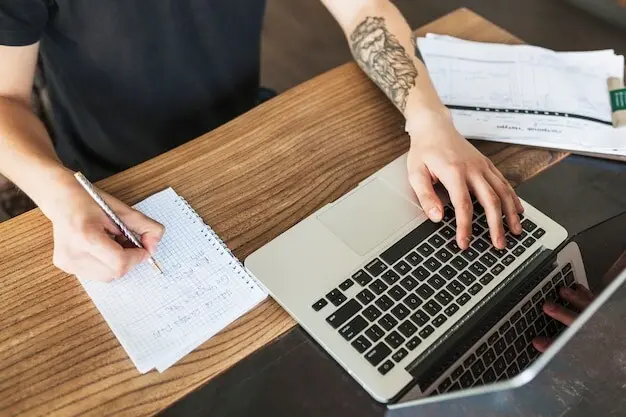
When you write by hand, motor effort, visual feedback, and spatial layout cooperate to encode ideas more richly than verbatim typing. You compress, paraphrase, draw arrows, and sketch shapes, creating multiple retrieval cues later. That embodied synthesis turns meetings and lectures into durable understanding rather than fleeting transcripts.
A notebook does not ping, badge, or autofill. Its very limitations create a sanctuary for single-threaded thinking, where you can ask deeper questions and notice insights hidden between lines. By stepping off-screen temporarily, you protect attention like a scarce resource and finish difficult cognitive moves without interruption.
Use a quick scanning app, set page edges automatically, and save to an inbox folder. Title files with date, project, and brief verb, like 2026-03-24_ClientA_scope. Batch once daily. This small ritual compounds into trustworthy archives, enabling instant retrieval during calls, audits, and cross-functional collaborations.
Modern OCR reads neat printing well, and even imperfect recognition narrows haystacks effectively. Pair scans with a short summary and two tags in the filename or metadata. The combination preserves human nuance while granting digital speed, letting you keep the intimacy of ink without losing track.
Sketch your week on paper to see true constraints, then block priorities on your digital calendar for coordination. This dual view reduces overcommitment and protects deep work. End by photographing the plan into your notes app, so teammates align while you keep breathing room.
Carry one primary notebook for capture, with a recurring first page each day: date, top three outcomes, must-call, and evolving notes. Number pages. Sticky flags mark active projects. This simplicity trims hesitation, ensures nothing critical splinters across devices, and invites clean shuts at day’s end.
Select a pen that starts instantly and never blobs, because tiny frustrations multiply procrastination. Keep just two ink colors and a single highlighter shade to encode meaning without cognitive overhead. Consistency turns markings into decisions, reducing ambiguity and speeding execution when your energy dips midafternoon.
Pack a slim pouch with notebook, pen, index cards, page flags, and a small folder. Add a waterproof bag for weather. This grab-and-go kit protects continuity, letting you capture ideas on trains, between meetings, and while waiting, so momentum survives the messiness of real schedules.

Begin by listing the three outcomes that would make the day worthwhile, then block first focus. In the evening, reconcile tasks, note a win, and write a compassionately honest sentence about energy. This reflection loop guides tomorrow’s plan and protects sustainable effort over flash-in-the-pan surges.

Empty inboxes, review notes, and convert vague intentions into calendar blocks linked to pages. Decide what not to do. Group similar tasks near existing commitments to harvest context. A single annotated index of the coming week replaces anxiety with visible trade-offs and deliberate pacing.
Use sticky notes across three columns—Now, Next, Later—to hold commitments at human scale. Moving a note feels consequential, which sharpens prioritization. Photograph the board after changes and share with stakeholders. This transparency reduces status meetings and anchors execution even when plans inevitably collide with reality.